



Green iguana skull
The green iguana is an animal belonging to the genus of American green iguanas in the family Hymenonidae of the order Perciformes. Young green iguanas typically have a green body and use it to evade attacks from predators; As one grows older, green will gradually fade away and be replaced by colors such as light yellow, light blue, or brown; The main features of green iguanas include comb like scales on the back, black circular stripes on the tail, and large, drooping throat fans in adult males. Also known as: American Green Iguana. Distributed in tropical rainforest areas from Mexico to Paraguay in Central and South America. Omnivorous animals primarily consume small insects, eggs, and other animal based foods during their infancy, and eventually transition to plant-based diets in adulthood

Mane lion lizard skull
Pogonavitticeps is a reptile of the genus Pogonavitticeps in the order Scorpaeniformes. The body of the maned lion lizard is thick and flat, covered with spiny scales on its back and neck, and the spines on its sides are arranged in a regular pattern in front of its forelimbs. When threatened, they will show off by opening their mouth and inflating their prickly throat to appear stronger and scare their opponents, hence the name. It is a semi terrestrial species that can move on flat ground or stay on rocks or tree branches. I have a preference for meat and occasionally consume plant flowers and leaves. Living in a high-temperature and dry environment. Mane lion lizards have a strong sense of class.

Galapagos land iguana skull
The Galapagos land iguana (scientific name: Conolophussubicritatus) weighs up to 13 kilograms and measures 1 meter in length. The lower half is orange yellow, and the upper half is reddish brown. Due to the low corners, their appearance looks particularly foolish. The land iguana is distributed on six islands in the Galapagos Islands and is a unique species that evolved on the islands. The earthy yellow skin is designed to adapt to the color of sand and rocks. They mainly feed on cacti, which is related to the relatively dry climate of the Galapagos Islands. They choose to eat cacti because they can obtain the water their bodies need.

Popular Models
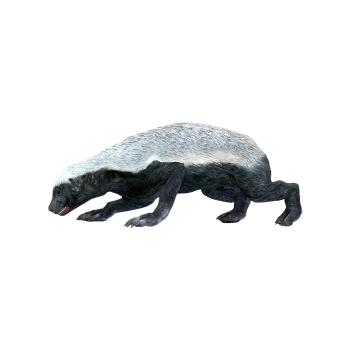
Honey Badger (3D animated model)
194 View
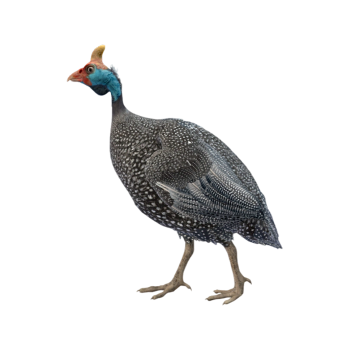
Guinea fowl (3D animated model)
165 View
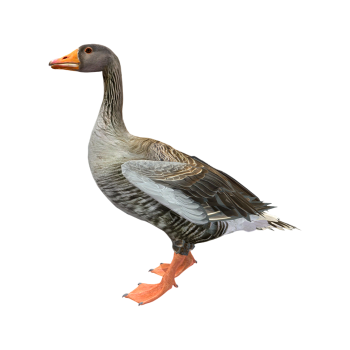
Wild Goose (3D animated model)
187 View
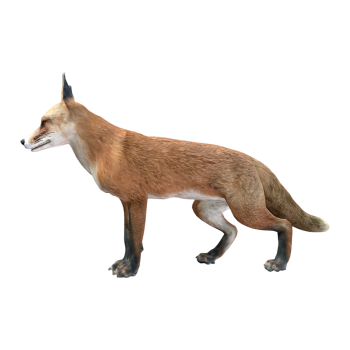
Red Fox (3D animated model)
155 View
Random Model


Eurasian wild boar
933 View

Black Lip Mussel Shell
639 View
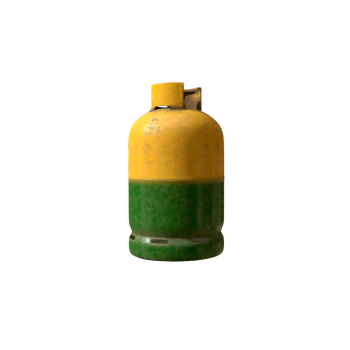
Gas bottle
553 View

Peel the good orange
797 View



Ford F650 Heavy Duty Pickup Truck
807 View

Lianglong skull fossil
840 View

Japanese-style shop scene
738 View